NUEBORN Co | Curated Hospital Bags & Maternity Care Bundles for Mums
Enjoy free shipping within SG for orders above $100
Subscribe and enjoy 5% off first order

Choosing No Visitors After Birth: Protecting a Mother’s Space, Health, and Healing
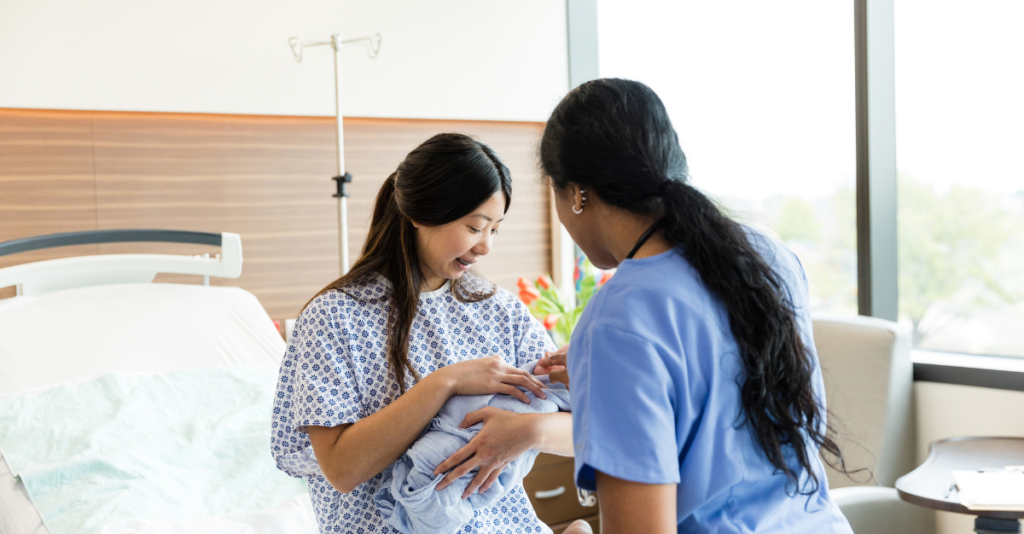
The Postpartum Boundary Gap: Why Protecting Your Early Recovery Matters
After giving birth, there is an expectation that many mothers do not talk about openly: people want to visit. Immediately. To see the baby, to celebrate, and to be part of the moment.
However, what often gets overlooked is the simple reality that you are still recovering, and you may not be ready. Choosing not to have visitors in the early days isn’t cold or ungrateful—it is one of the most critical decisions you can make for your physical and mental recovery.
If you are currently preparing for your delivery, organizing your postpartum sanctuary begins long before you head to the hospital. Ensuring you have the right items packed—from nursing essentials to postpartum care items—can be seamlessly tracked using a comprehensive hospital bag checklist to make coming home as stress-free as possible.
The “Postpartum Boundary Gap”
There is a distinct disconnect between external expectations and internal needs during the fourth trimester:
-
What people expect: Immediate visits, constant updates, and social interaction.
-
What mothers actually need: Quiet, uninterrupted rest, and space to adjust.
The first weeks after birth aren’t meant to be a social event. They are meant to be a protected sacred space for your family to heal.
Your Body Needs Uninterrupted Healing
Whether you had an unmedicated vaginal birth, an assisted delivery, or a major abdominal surgery like a C-section, your body is recovering from profound medical trauma. Furthermore, birth rarely unfolds the exact way we imagine. It can be longer, more painful, or more emotionally overwhelming than anticipated, with many parents processing unexpected interventions long after leaving the delivery room.
What casual visitors don’t see includes:
-
Postpartum bleeding (lochia) that lasts for weeks
-
Dramatic hormonal shifts affecting mood, temperature regulation, and energy
-
Tender perineal stitches, tears, or abdominal incisions
-
Swelling, soreness, and engorgement
-
Exhaustion from round-the-clock newborn feeding schedules
Even simple movements can feel uncomfortable. Now, imagine managing these physical realities while hosting guests, feeling observed, or worrying about playing host. Recovery becomes significantly harder when your nervous system is on high alert.
Your Baby’s Immune System Is Still Developing
Medical experts widely agree that newborns—especially in their first month of life—have highly immature immune systems. Even minor illnesses that are harmless to adults can pose serious health risks to a newborn.
Limiting early visitors drastically reduces a newborn’s exposure to:
-
Common colds and upper respiratory coughs
-
Respiratory Syncytial Virus (RSV)
-
Stomach viruses and asymptomatic pathogens
Setting firm boundaries around holding, kissing, or passing your baby around isn’t being overprotective. It is an act of primary medical responsibility for your infant’s safety.
Your Mental Health Needs Protection Too
Postpartum hormonal fluctuations happen rapidly as estrogen and progesterone levels plummet. During this time, you may feel deeply vulnerable, easily drained, or emotionally fragile.
Well-intentioned visitors can inadvertently add immense psychological pressure through:
-
Unsolicited questions about feeding routines
-
Outdated or conflicting opinions about infant sleep
-
Critiques or comments about your body or the baby
Mental recovery is not passive; it often requires actively reducing external sensory input. A calm, quiet environment dramatically lowers cortisol levels for both mother and baby.
How Partners Can Support These Boundaries
Setting boundaries can feel deeply uncomfortable, especially when dealing with eager grandparents, extended family, or close friends. This is where a supportive partner steps in to act as a protective shield:
-
Communicate Early: Send clear messages prior to birth or right after returning home, such as: “We are taking the first two weeks completely offline to bond and heal. We’ll let you know when we’re ready for company.”
-
Take the Lead on Conversations: Partners should shoulder the emotional labor of managing family expectations so the recovering mother doesn’t have to.
-
Protect the Physical Space: If an unannounced visitor shows up, the partner must step up to manage the door and kindly redirect them.
-
Offer Digital Alternatives: Sharing curated photo updates or short video clips keeps loved ones feeling included without requiring physical proximity or hosting energy.
You Are Allowed to Choose Peace
No one else feels what you are feeling right now. No one else is healing inside your body. You are under no obligation to host, entertain, or manage anyone else’s emotional expectations during the fourth trimester.
Your sole priority is healing, bonding, and navigating this monumental transition. You are allowed to choose rest, you are allowed to choose peace, and you are entirely justified in putting your well-being first.