NUEBORN Co | Curated Hospital Bags & Maternity Care Bundles for Mums
Enjoy free shipping within SG for orders above $100
Subscribe and enjoy 5% off first order

What Most Hospital Bag Checklists
Miss: Self-Care
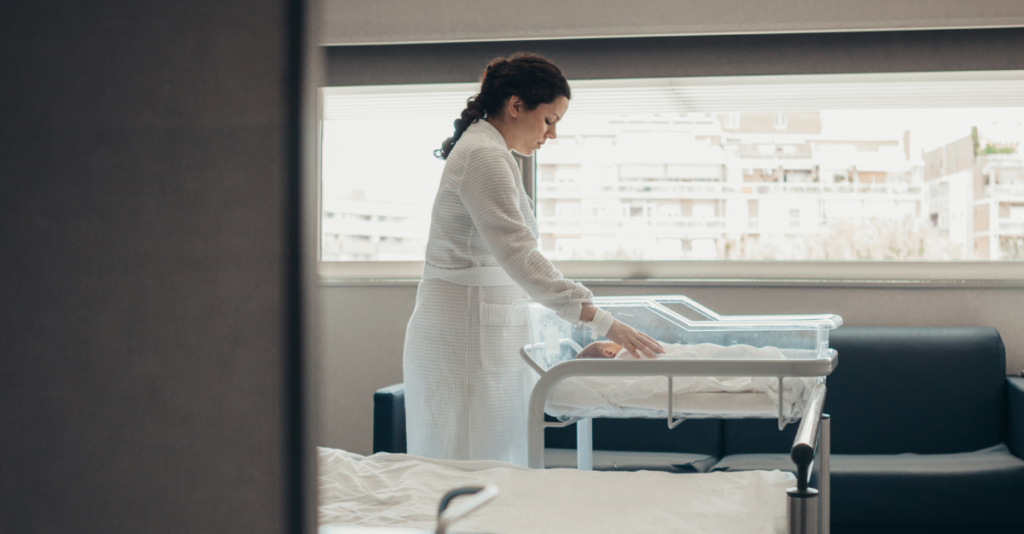
Why Your Hospital Bag Needs to Focus on You (Not Just the Baby)
When you search for hospital bag checklists, most of them focus almost entirely on the baby or the clinical side of delivery. But here’s what many mothers only realise after birth: you are the patient, too.
And you need far more care than you might think. Your body has just gone through one of the most intense physical experiences of your life. Your hormones are plummeting, your energy is completely depleted, and your emotions may feel entirely unfamiliar. Yet, most hospital bags are packed as if the mother’s needs come second.
This is where shifting the focus to maternal self-care becomes essential—not optional. If you are currently gathering your supplies, looking over a comprehensive
You’re Recovering, Not Just “Delivering”
Giving birth isn’t just a single moment in time; it is a full-body experience that doesn’t end in the delivery room. It involves physical strain, tissue recovery, rapid hormonal changes, and often medical intervention.
Crucially, recovery doesn’t begin when you finally arrive home—it starts right there in the hospital, during those quiet, often overwhelming first hours. What you bring with you during this window can profoundly shape whether you feel supported or deeply depleted.
Comfort Is Not a Luxury—It’s Nervous System Regulation
Many mothers skip packing personal comfort items, worrying it might feel unnecessary or even indulgent. But comfort during postpartum recovery is never about luxury.
It plays a real, biological role in helping your nervous system regulate. In moments marked by:
Physical discomfort and soreness
Frequent, intrusive medical checks
The steep learning curve of infant feeding
Severe sleep deprivation
Your nervous system needs grounded support. Simple items like a soft robe, warm socks, clean lip balm, or familiar comforting textures offer small but meaningful relief. Sometimes, it’s these little things that help you feel just a bit more like yourself again.
Nourishment Is a Core Pillar of Healing
After delivery, you may not feel immediately hungry, but your body is working overtime. Especially if you are initiating breastfeeding, your metabolic demand is high, and your body needs consistent support to repair tissue and function.
This recovery fuel includes:
Deep hydration and clean water
Electrolyte replenishment
Quick, easily digestible, nutrient-dense energy
In many traditions—such as the local postpartum customs in Singapore—mothers incorporate specialized recovery drinks like red date tea or warming herbal infusions to support circulation and vitality. Having easy access to simple nourishment helps stabilize not just your physical body, but your mood and energy levels, too.
Small Rituals Help You Stay Grounded
Hospital environments are inherently clinical, unfamiliar, and emotionally loud. In the middle of constant room entries, vital sign checks, and shifting emotions, small and intentional rituals can gently anchor you back to yourself.
This might look like:
Applying a favorite lip balm or hand cream
Juttling down a few processing thoughts in a notebook
Taking a slow, quiet breath with your eyes closed
Using a soothing scent or pillow mist
These moments may seem minor on paper, but during such a profound life transition, they matter more than you realize.
A Simple Hospital Bag Checklist (For You)
Most standard checklists feel overwhelming and cluttered. This one is intentionally straightforward—because you don’t need more gear; you need what actually supports your well-being:
Comfort: A soft robe or comfortable loungewear, warm socks, clean lip balm, hand cream, and a calming facial or pillow mist.
Nourishment: Easy-to-eat snacks, a reliable water bottle, electrolyte packets, and comforting herbal tea bags.
Emotional & Mental Support: A personal journal, a calming music playlist, and familiar items that bring you peace.
Self-Care Is Not Extra—It’s Essential
Packing self-care items isn’t about vanity or indulgence. It is about supporting your physical recovery, minimizing sensory overload, and allowing you to feel human during a time that can feel intensely vulnerable.
Because when a mother feels genuinely supported and cared for, everything else becomes a little more manageable. You are at the absolute center of this experience—and your hospital bag should reflect that.