NUEBORN Co | Curated Hospital Bags & Maternity Care Bundles for Mums
Enjoy free shipping within SG for orders above $100
Subscribe and enjoy 5% off first order

What to Pack in Your Hospital Bag (That’s Actually for You)
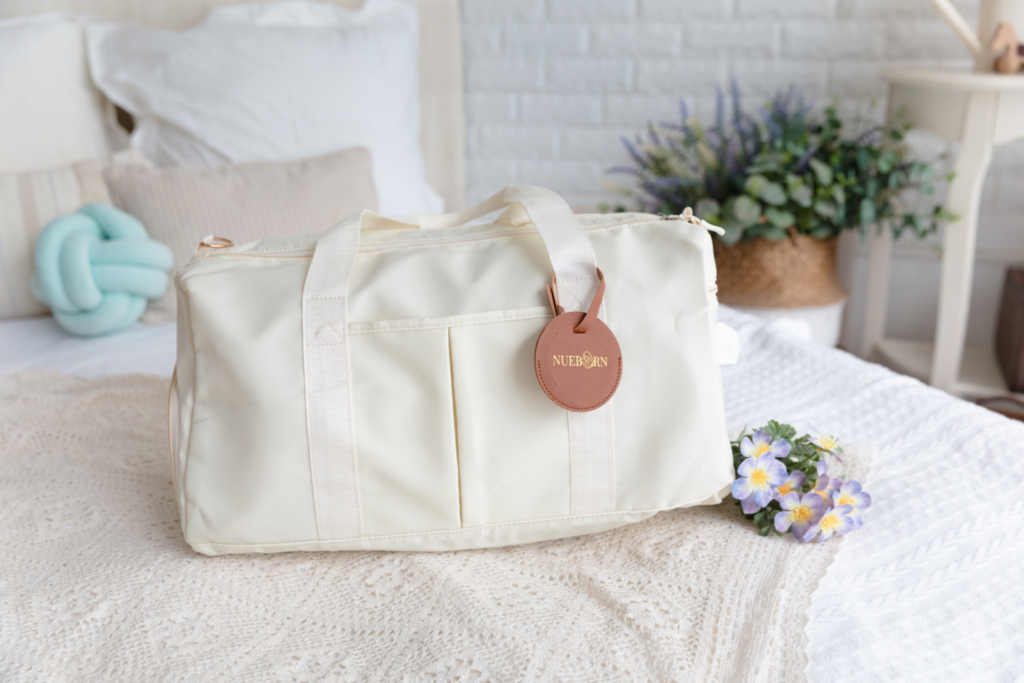
The No-Nonsense Hospital Bag Checklist: What Mothers Actually Need in Singapore
If you’ve ever Googled “hospital bag checklist,” you’ve probably seen endless lists that leave you more confused than prepared. By the third trimester, you’re already juggling doctor visits, work, and preparing for your baby. The last thing you need is a checklist filled with things you’ll never use.
But here’s what many mothers only realise after delivery: most hospital bag checklists are written for clinical utility or the baby, not for your comfort.
This guide is different. It’s built around what mothers actually used, wished they had, and regretted not bringing, especially in Singapore hospitals (like KKH, Mount Elizabeth, or Thomson Medical), where the basic medical necessities are covered, but personal comfort isn’t.
What Hospitals Provide (And What They Don’t)
Major maternity hospitals in Singapore typically provide:
Basic maternity pads and disposable underwear
Basic baby essentials (diapers, wet wipes, and a swaddle for the stay)
That sounds sufficient until you’re actually there. The gap? These are purely functional, clinical items—they aren’t designed for recovery, emotional grounding, or physical comfort.
1. Comfortable Going-Home Clothes
Skip the tight “Instagram outfit.” After delivery, your body is still deeply recovering, and comfort becomes everything.
What works: Loose leggings or soft lounge pants, nursing-friendly tops or front-button dresses, and a lightweight cardigan or hoodie (local hospital wards are notoriously chilly due to central air conditioning).
Most mothers pack restrictive outfits and end up living in the same soft, stretchy set on discharge day.
2. Comfort for Rest and Recovery
Hospital beds and pillows are practical, not personal. When rest comes in short, unpredictable windows, small comforts matter immensely.
Bring: A light blanket or shawl, your own pillow (if you are particular about neck support during late-night nursing), and something familiar to ground your senses—like a comforting scent or pillow mist.
Sleep quality directly affects your physical and mental recovery, yet almost no standard clinical checklist mentions it.
3. Toiletries That Feel Like You
Hospitals provide basic soaps, but “basic” doesn’t make you feel human. Bringing your own trusted items helps restore a sense of routine.
Pack: Travel-sized shampoo and body wash, your regular skincare essentials, a high-quality lip balm (hospital air and postpartum dehydration dry lips out fast), and a soothing hand cream or face mist.
These small, familiar routines can make you feel like yourself again after the intensity of labor.
4. Important Documents (Don’t Overlook This)
Keep everything consolidated in a single folder so you aren’t scrambling during admission:
Physical NRIC / Passports for both parents
Doctor’s admission letter or pre-registration forms
Hospital financial counseling documents and insurance/GL details
Marriage certificate (digital or physical copy for birth registration purposes)
5. Phone Chargers (The Most Forgotten Essential)
This sounds obvious, but it is one of the most commonly left-behind items. Labour and recovery take time, and you’ll want your phone for updates, photos, and communicating with family.
Pro tip: Bring an extra-long cable or a portable power bank, as hospital wall sockets aren’t always conveniently placed right next to the bed.
6. Snacks & Hydration
Hospital meals arrive on a rigid schedule, but your body’s metabolic demands—especially if you are initiating breastfeeding—don’t follow the clock.
Pack: Easy, energy-dense snacks (granola bars, nuts, crackers), a large reusable water bottle (preferably with a straw so you can drink easily while resting or nursing), and traditional confinement-friendly recovery drinks (like red date tea) if preferred.
7. A Few Joy-Bringers (Most Underrated)
This is something standard medical checklists completely ignore, yet emotionally, this is one of the biggest milestones of your life.
Bring: A compact personal journal to process the whirlwind, a calming music playlist downloaded offline, and items that gently ground you.
Between checks and feeds, there will be quiet, still moments. These pieces help you stay present.
What You Don’t Need
To keep your bags light and stress-free, leave these behind:
Excessive baby clothes (hospitals dress them while you are inpatient)
Full makeup kits and styling tools
Multiple separate outfit changes for your stay
“Just in case” bulk items that take up valuable space
Overpacking adds heavy cognitive stress when you are trying to check out and head home.
Keep It Simple. Keep It About You.
If you are looking for a streamlined, intentional way to get ready without second-guessing what to pack, preparing the right essentials makes all the difference.
If you want a stress-free start, you can download our free
Most hospital bag guides prepare you entirely for the delivery room. Very few prepare you for what happens after. And that fourth-trimester transition is the part you will remember most.
So if there’s one mental shift to make before heading in, it’s this: Pack like you are taking care of yourself, because you are a patient who deserves care, too.